
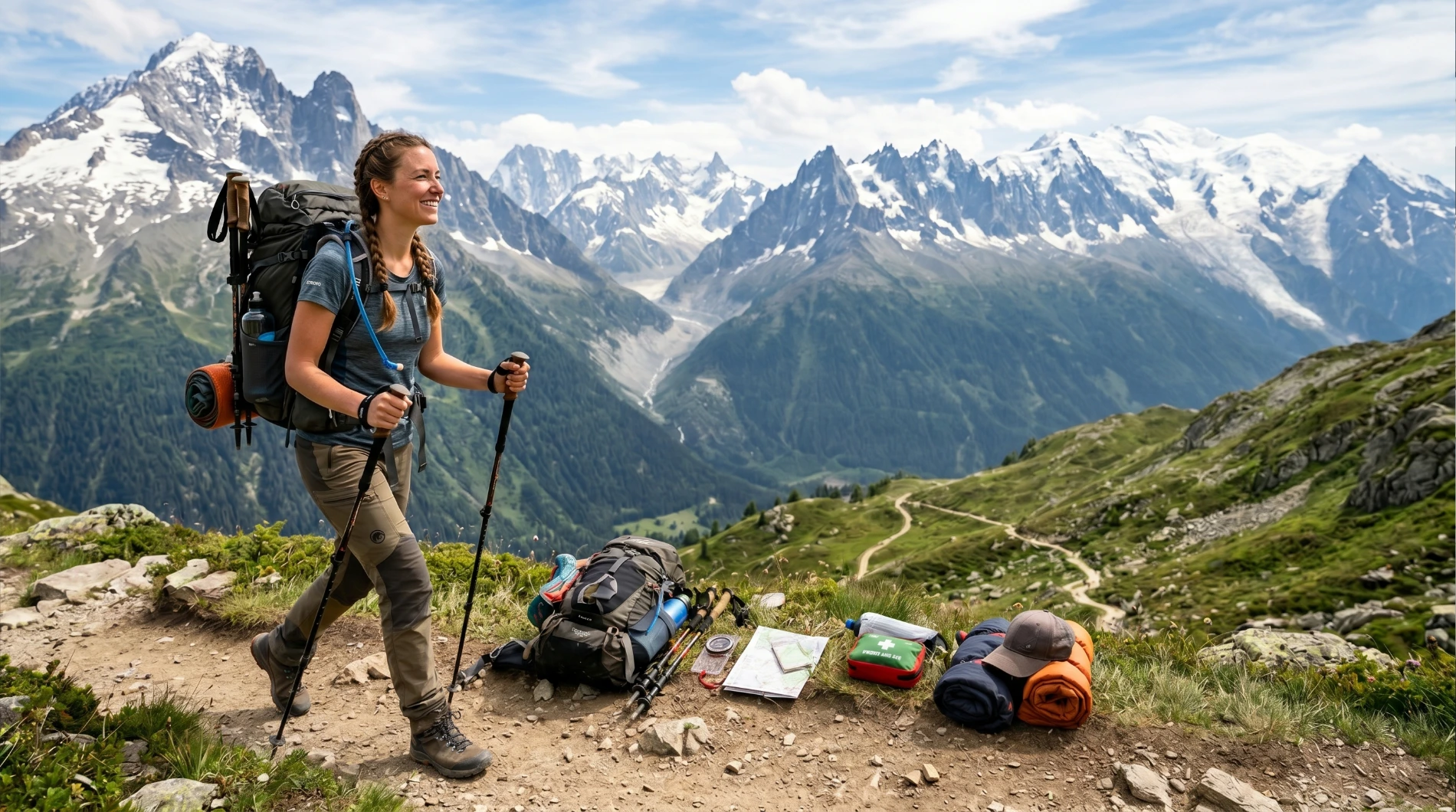
Hiking rewards preparation. The right gear makes the difference between a memorable adventure and a dangerous situation — but it doesn't have to be heavy, complicated, or expensive. Here's how to pack for the trail, whether it's a few hours or a few days.
Day Hike vs. Multi-Day Trek: The Key Differences
The fundamentals are the same, but the scale changes significantly:
- Day hike: You return to a base by nightfall. Pack light — 15-25L daypack, water, snacks, safety essentials, and layers.
- Overnight hike: You spend 1-2 nights on trail. Add sleeping gear, shelter, more food, and additional clothing.
- Multi-day trek: 3+ days in the backcountry. Full kit required — this is expedition-level planning with weight management as a primary concern.
The 10 Hiking Essentials
The "10 Essentials" is a hiking standard developed by mountaineers and adopted by hikers worldwide. Never leave the trailhead without them:
- Navigation: Map of the area and compass (don't rely solely on your phone battery)
- Sun protection: Sunscreen, lip balm with SPF, sunglasses, and a hat
- Insulation: Extra layers beyond what you're wearing — weather changes fast in the mountains
- Illumination: Headlamp with fresh batteries (even for day hikes — you may return after dark)
- First aid supplies: A proper kit including blister treatment, bandages, antiseptic, and any personal medications
- Fire: Matches or a lighter in a waterproof container, plus a firestarter
- Repair tools and knife: A multi-tool or knife, plus duct tape and cord
- Nutrition: Extra food beyond what you plan to eat
- Hydration: Extra water plus a way to treat water (filter, purification tablets)
- Emergency shelter: An emergency bivy or space blanket — lightweight and potentially life-saving
Clothing for Hiking
The key principle: layering. The ability to add and remove layers as conditions change is fundamental to hiking comfort and safety.
The Three-Layer System
- Base layer (against skin): Moisture-wicking — merino wool or synthetic. Not cotton (cotton kills in wet and cold conditions).
- Mid layer (insulation): Fleece or down — provides warmth. Can be removed and packed when not needed.
- Outer layer (shell): Waterproof and windproof jacket. Essential even on clear days — mountain weather changes fast.
Lower Body
- Moisture-wicking hiking pants or shorts
- Merino wool or synthetic hiking socks (the most important piece of gear for blister prevention)
- Hiking gaiters for muddy or wet conditions
Footwear
Trail footwear is the single most important gear decision for hiking:
- Trail runners: Lighter, faster drying, excellent for well-maintained trails and day hikes
- Hiking boots: More ankle support and protection for rough terrain and heavy loads
- Break in new footwear at home before the trail — never hike in new, unworn boots
Water and Nutrition
- Water: The general rule is 500ml per hour of active hiking. In heat, more. Always bring more than you think you'll need.
- Water filter or purification: A lightweight squeeze filter lets you refill from streams and lakes safely
- Trail snacks: High energy, lightweight, no refrigeration needed: nuts, energy bars, dried fruit, jerky
- Meals for overnight hikes: Lightweight freeze-dried meals are the standard — add boiling water and wait 10 minutes
Pack Weight and Distribution
How you pack is as important as what you pack:
- Heaviest items should be close to your back and at shoulder height (keeps center of gravity balanced)
- Medium-weight items fill the rest of the main compartment
- Light items like the sleeping bag go at the bottom
- Frequently needed items (water, snacks, map) in hip belt pockets and top compartment
- For day hikes, aim for under 10% of your body weight. For multi-day, aim for under 20%.
Leave No Trace
Responsible hiking means packing with the environment in mind:
- Pack out everything you pack in — no exceptions
- Use a small dry bag or lightweight bin liner for waste
- Biodegradable soap for washing dishes or yourself if using natural water sources
- A trowel for cat holes if there are no toilet facilities
Safety and Communication
- Tell someone your plans: Leave your route, expected return time, and emergency contact with someone reliable
- Personal locator beacon (PLB) or satellite communicator: For remote hikes where phone signal doesn't exist, a PLB can save your life
- A fully charged phone with offline maps: AllTrails and other apps let you download trail maps for offline use
- Whistle: A simple whistle carries further than a voice and uses no battery
Build Your Hiking Checklist
Every hike is different, but the fundamentals are consistent. Use Packy to create a base hiking checklist and add or remove items based on the specific trail, duration, and weather. A solid hiking list is one of the most valuable templates a regular hiker can have.


